

Drywall Mold Removal in Livermore, CA
Livermore's winter moisture—sustained humidity and heavy morning dew that lingers around foundations—creates conditions where drywall absorbs and retains moisture, especially in older homes with crawl spaces where ventilation may be limited. Drywall mold removal becomes necessary when this seasonal moisture penetrates walls, and delaying treatment allows mold to spread deeper into framing and insulation. Munroe Mold Remediation connects you with local providers who assess affected drywall, contain the problem, and perform thorough removal to restore indoor air quality and protect your property from further damage.
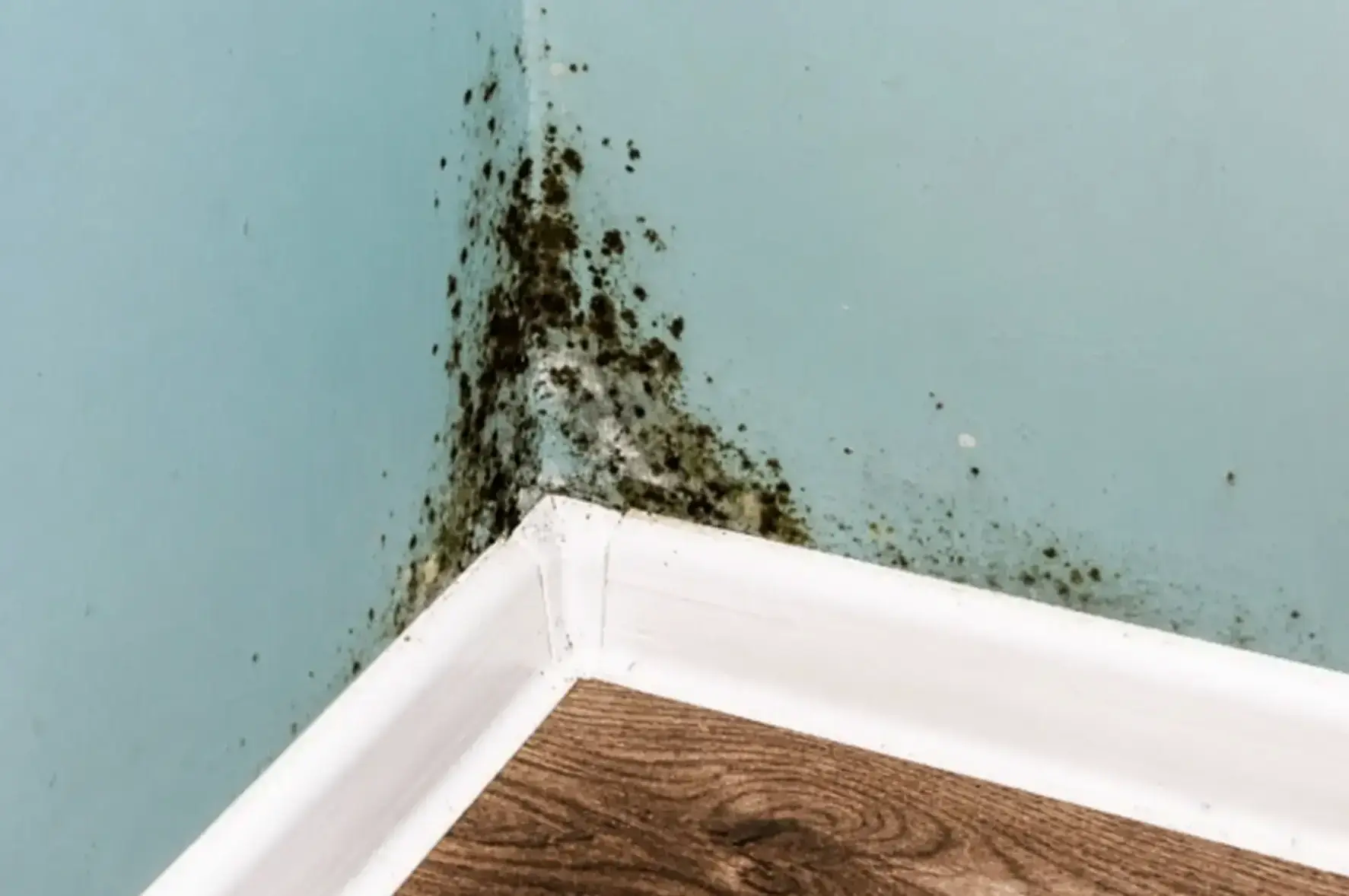
What gets cleaned in a wall cavity, and what comes out
The honest answer to “does this come out, or can it be cleaned?” turns on two things — what the material is, and how many square feet are affected. Those are the two axes of the EPA’s own remediation table, reproduced below for the materials usually found in a wall cavity.
| Material | Under 10 sq ftabout a cabinet door, or one ceiling tile | 10 to 100 sq ftroughly one wall, or a small bathroom | Over 100 sq ftmore than one room's worth of surface |
|---|---|---|---|
| Wallboardthe wallboard itself, both facesEPA, Table 2 | HEPA vacuum | HEPA vacuumRemove and discard | HEPA vacuumRemove and discard |
| Wood surfacesstuds, plates and sheathing behind itEPA, Table 2 | Wet vacuumDamp wipeHEPA vacuum | Wet vacuumDamp wipeHEPA vacuum | Wet vacuumDamp wipeHEPA vacuumRemove and discard |
What those methods mean, in EPA's words
- Wet vacuum
Wet vacuums are vacuum cleaners designed to collect water. They can be used to remove water from floors, carpets and hard surfaces where water has accumulated.
EPA, cleanup methods- Damp wipe
Mold can generally be removed from nonporous (hard) surfaces by wiping or scrubbing with water, or water and detergent.
EPA, cleanup methods- HEPA vacuum
HEPA (High-Efficiency Particulate Air) vacuums are recommended for final cleanup of remediation areas after materials have been thoroughly dried and contaminated materials removed.
EPA, cleanup methods- Remove and discard
Building materials and furnishings that are contaminated with mold growth and are not salvageable should be double-bagged using 6-mil polyethylene sheeting.
EPA, cleanup methods
Removed and replaced, whatever the area
- Fiberglass or other insulation — batt or blown insulation in the stud bay.
Fiber glass, or any other insulation material that is wet or visibly moldy (or if an unacceptable odor is present) should be removed and replaced by a qualified heating and cooling system contractor.
EPA, air duct cleaningEPA states this in its heating-and-cooling guidance and it is quoted here as written. Its water-damage table reaches the same conclusion for both fiberglass and cellulose insulation.
These guidelines are for damage caused by clean water. If you know or suspect that the water source is contaminated with sewage, or chemical or biological pollutants, then Personal Protective Equipment and containment are required by OSHA.
EPA, Table 1Porous materials that are wet and have mold growing on them may have to be discarded.
EPA, cleanup methodsMold can grow on wood, drywall, carpet and furniture if they remain wet for more than 24 hours.
EPA, flood cleanup
What shows on the painted face is usually smaller than what is inside the cavity, because the paper facing and the stud bay stay wet long after the surface looks dry. That is why the area measured on the wall and the area actually remediated are rarely the same number. The studs behind are often salvageable even when the board is not.
About 15.6% of Livermore homes are pre-1960, while 8.3% date from 2010 or later.Source: US Census Bureau, American Community Survey 2023 5-year estimates, table B25034 — Livermore city (31,874 housing units)
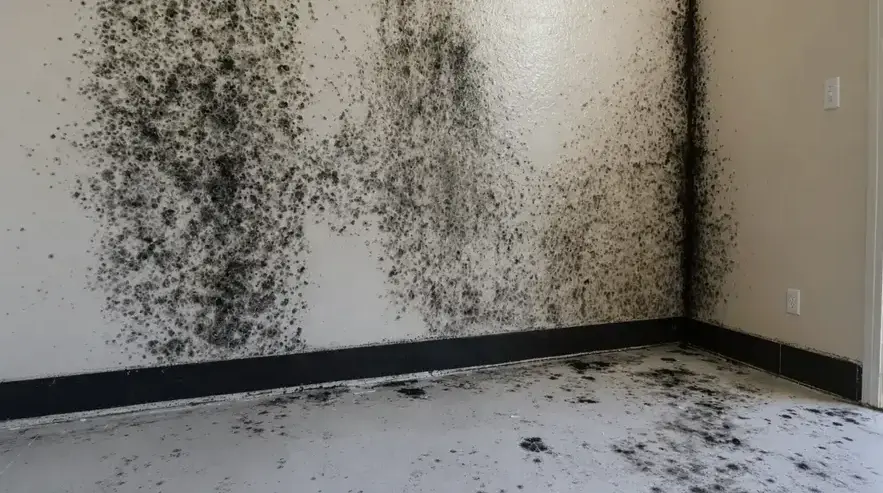
Drywall Mold Removal in Livermore: Why Local Homes Need It
Livermore's Mediterranean climate brings dry summers, but winter months introduce sustained moisture patterns that create ideal conditions for mold growth inside homes. Morning dew and seasonal humidity can settle around foundations and crawl spaces, where poor ventilation traps moisture and allows mold to take hold within wall cavities and drywall surfaces. Many of Livermore's older properties feature raised foundations with crawl spaces beneath them—a construction style that, without adequate air circulation, becomes a moisture pocket where drywall damage develops quietly behind walls. Property owners in areas like Springtown and South Livermore often discover mold in drywall only after visible discoloration, soft spots, or musty odors signal an advanced problem. Early detection and removal are essential to prevent structural compromise and protect indoor air quality before the issue spreads.
Munroe Mold Remediation connects Livermore property owners with local independent providers who specialize in drywall mold removal, from inspection through complete remediation. The process begins with a thorough assessment to identify affected areas, moisture sources, and the extent of contamination—information that guides safe containment and removal without disturbing mold spores throughout the home. Providers address not only the visible mold but also underlying moisture conditions, ensuring drywall is properly dried and any necessary replacement occurs with attention to preventing recurrence. Follow-up guidance helps you maintain the conditions that keep drywall and crawl spaces dry going forward. If drywall mold is suspected or confirmed in your Livermore home, connecting with a local remediation provider promptly protects both your property and your family's health.
Why Livermore Property Owners Choose Munroe for Drywall Mold Removal
Fast Local Drywall Mold Removal
Munroe connects you with independent local providers who respond quickly to drywall mold concerns. Rapid assessment and containment help prevent moisture from spreading deeper into wall cavities and framing.
Thorough Drywall Mold Treatment
Drywall mold removal requires careful removal of affected material and proper remediation of underlying moisture sources. Munroe's network providers handle both the visible damage and root causes to reduce recurrence.
Clear Communication Throughout Removal
You'll receive straightforward updates on drywall mold removal progress, containment measures, and what to expect during and after treatment. Transparency helps you understand each step of the process.
Livermore's Seasonal Moisture & Drywall Risk
Winter humidity and morning moisture that lingers around foundations can gradually migrate into walls, especially in older homes. Poor crawl space ventilation often compounds the problem, making drywall mold removal a common need in the area.
How Our Drywall Mold Removal Process Works
Schedule Your Drywall Mold Removal Inspection
Contact Munroe Mold Remediation to book a drywall mold inspection with an independent local provider serving Livermore. They'll assess affected drywall surfaces, identify moisture sources, and determine the scope of drywall mold removal needed for your property.
Professional Drywall Mold Assessment and Containment
The local provider inspects your drywall in detail, identifying mold growth patterns and underlying moisture problems—often linked to seasonal humidity and poor ventilation in crawl spaces common to older Livermore homes. Safe containment and removal procedures are outlined based on the affected area.
Complete Drywall Mold Removal and Moisture Control
The independent provider removes affected drywall sections, addresses the moisture source, and may recommend ventilation or drainage improvements to prevent future drywall mold growth. Follow-up communication ensures the work meets your expectations and indoor air quality goals.
Dealing with Drywall Mold Removal in Livermore? Get fast, professional help.
Call Now — (925) 344-6681Drywall Mold Removal Serving Livermore and Nearby Communities
Livermore's Mediterranean climate brings distinct seasonal moisture patterns that can affect drywall integrity in homes throughout the area. Winter months carry sustained humidity and heavy morning dew that lingers around foundations, creating conditions favorable for mold growth within wall cavities and on drywall surfaces. Older homes in neighborhoods like Springtown and South Livermore often feature raised foundations with crawl spaces; when ventilation in these spaces is inadequate, moisture migrates upward into framing and drywall, making timely inspection and removal critical to prevent structural compromise and indoor air quality decline.
Drywall mold removal in Livermore requires providers who understand how seasonal moisture patterns interact with local construction styles. The independent local mold remediation specialists in our network assess whether visible or hidden mold on drywall calls for targeted removal, containment during work, and follow-up moisture control to reduce recurrence. Early detection and professional removal help protect both the structural integrity of your home and the health of its occupants.
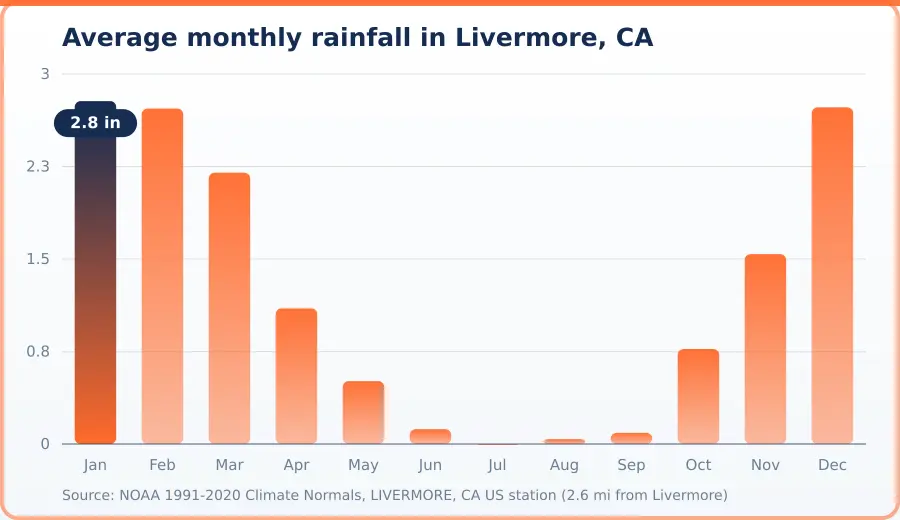
| Period | Monthly rainfall (in) |
|---|---|
| Jan | 2.8 |
| Feb | 2.7 |
| Mar | 2.2 |
| Apr | 1.1 |
| May | 0.5 |
| Jun | 0.1 |
| Jul | 0 |
| Aug | 0 |
| Sep | 0.1 |
| Oct | 0.8 |
| Nov | 1.5 |
| Dec | 2.7 |
Source: NOAA 1991-2020 Climate Normals, LIVERMORE, CA US station (2.6 mi from Livermore). Retrieved October 27, 2026.
Seasonal Drywall Mold Removal Needs in Livermore
Spring: Post-Winter Moisture
Spring reveals drywall mold that developed during winter moisture retention. Munroe Mold Remediation connects you with local providers who inspect interior walls, crawl spaces, and foundation areas where condensation lingers, removing mold colonies before warm weather accelerates spore spread indoors.
Summer: Heat-Driven Growth
Summer heat intensifies drywall mold already present in cooler interior cavities and shaded wall sections. Providers accessed through Munroe identify hidden mold within wall systems before it spreads deeper into drywall layers, preserving structural integrity while addressing air quality concerns.
Fall: Cooling Cycle Risk
As temperatures drop in fall, temperature swings between warm days and cool nights create condensation within walls, reactivating drywall mold dormant since summer. Munroe Mold Remediation helps property owners connect with local specialists who address early-season moisture before winter intensifies the problem.
Winter: Sustained Drywall Risk
Winter's moderate humidity and heavy morning dew lingering around foundations create prolonged moisture exposure that drives drywall mold in older homes with raised foundations and poor crawl space ventilation. Munroe Mold Remediation connects property owners in areas like South Livermore and Jensen Tract with local providers equipped to locate and remove mold from wall systems before structural damage occurs.
Drywall Mold Removal FAQs — Livermore, CA
Drywall mold removal typically begins with a thorough inspection to identify affected areas and moisture sources. The independent local provider will isolate the work zone, remove contaminated drywall sections, treat underlying surfaces, and install new drywall. Proper containment and disposal prevent spores from spreading throughout your home during the work.
Munroe Mold Remediation works to connect Livermore property owners with local drywall mold removal providers as rapidly as possible. Response time depends on provider availability and your location within the area. Contact Munroe directly to discuss your timeline and get matched with an available independent contractor.
Drywall mold removal pricing depends on the size of affected areas, extent of contamination, moisture source complexity, and accessibility. Whether mold has spread into studs, insulation, or adjacent materials also influences scope and cost. The independent provider you connect with through Munroe will assess your specific situation and provide pricing details.
Before drywall mold removal, clear the affected area of personal belongings and ensure the provider has full access to the problem zones. If the work area is in a bedroom or living space, arrange temporary relocation if needed. The independent provider will advise on any specific preparation steps once they've assessed your home.
After drywall mold removal, control indoor humidity by using exhaust fans in kitchens and bathrooms, fixing plumbing leaks promptly, and ensuring proper ventilation. Monitor moisture-prone areas regularly and address condensation or dampness immediately. Your provider can recommend moisture-control measures tailored to your home's conditions.
Livermore's winter months bring moderate humidity and prolonged morning moisture, which can accumulate in poorly ventilated areas beneath raised foundations. Older homes are particularly susceptible when crawl space air circulation is inadequate, allowing moisture to migrate upward and settle in drywall. Addressing ventilation and moisture sources early helps prevent mold from taking hold.
Related Services
Homeowner Safety Toolkit
Verify Your Livermore, CA Mold Remediation Company
Before you hire anyone, use these independent national resources to confirm credentials, standards, and track record.
BBB
Look up any mold remediation company's complaint history, customer reviews, and accreditation status — a free, independent check before you hire.
Check StandingCDC
Covers the health effects of mold exposure and safe cleanup practices, separate from the remediation work itself — useful if anyone in the home has respiratory symptoms.
Mold Health GuideACAC
An independently accredited certifying body for mold inspectors and consultants — one of the few in this field whose standards are verified by an outside accreditation board, not just self-declared.
Find a Certified InspectorDealing with Drywall Mold Removal in Livermore, CA? Call (925) 344-6681 for 24/7 help.
Call Now — (925) 344-6681Areas We Serve in Livermore, California
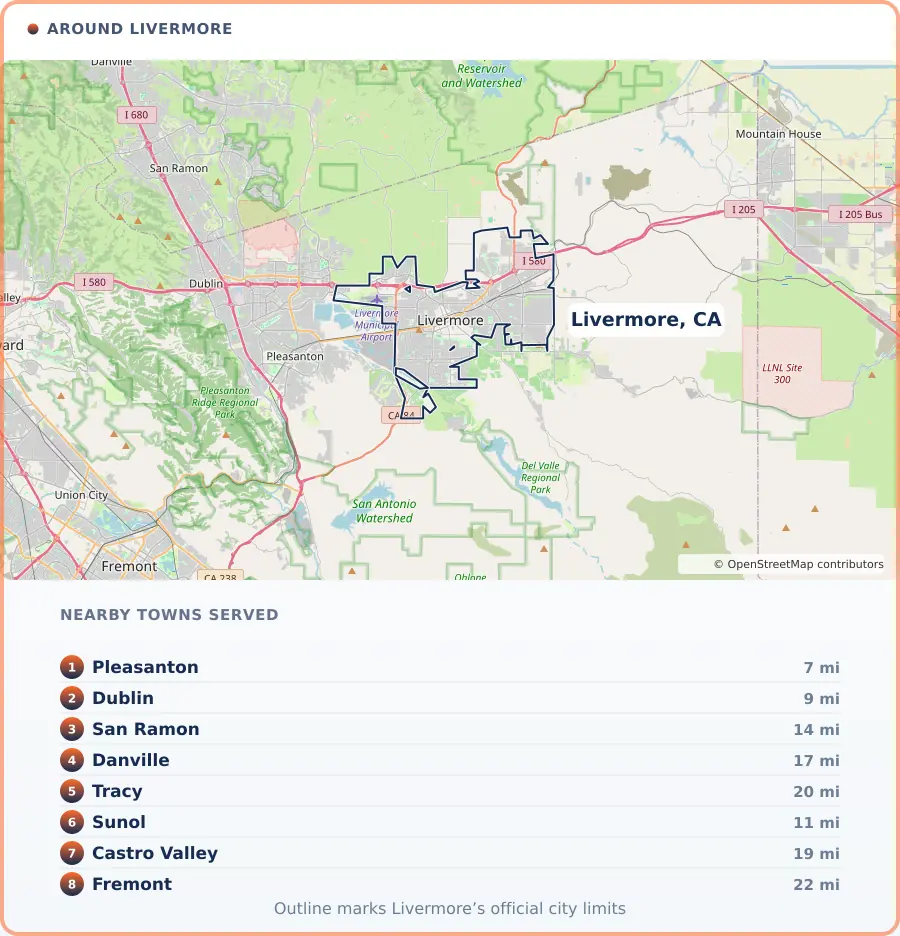
Serving Livermore, CA and 8 communities around it. Local knowledge of how each area is built shapes how the work is handled there.
Livermore, CA Information
Livermore, CA sits at the eastern edge of the Bay Area, a valley town of about 88,000 people where cutting-edge science and old-fashioned agriculture share the same horizon. Lawrence Livermore National Laboratory and Sandia National Laboratories anchor a highly skilled workforce, while the rolling hills of South Livermore and Vineyard Avenue host a thriving wine industry that gives the city its distinct, unhurried charm.
Beyond the labs and vineyards, Livermore's economy runs on a healthy mix of manufacturing, healthcare, education, and retail, with employers like Stanford Health Care - ValleyCare, Las Positas College, and Costco rounding things out. ACE rail and BART access keep it well connected to the wider Bay Area, drawing commuters and homegrown families alike to its easygoing, four-season community life.
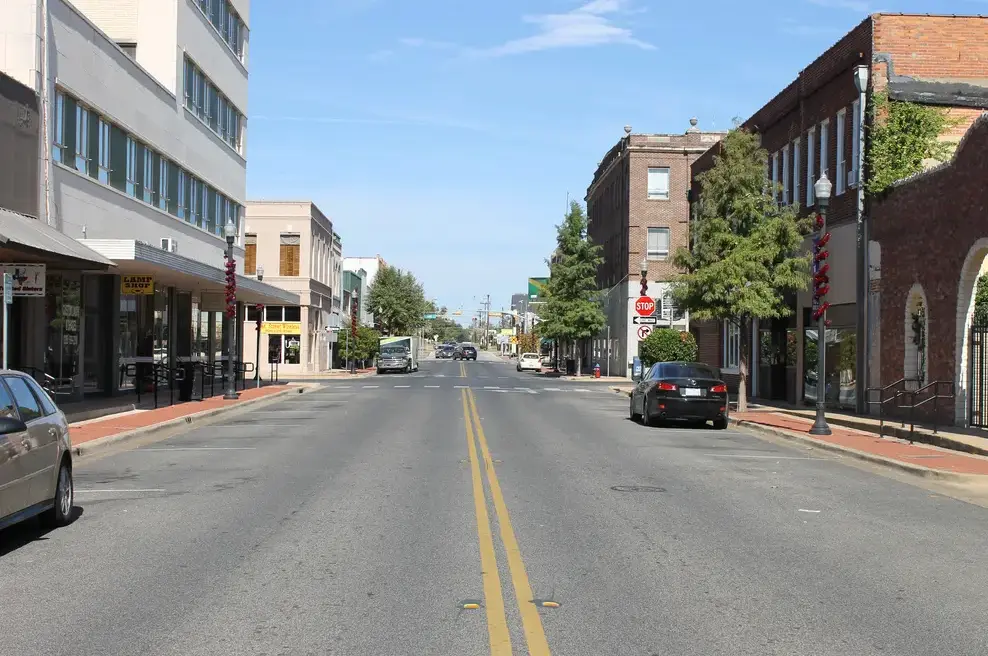
Photo: Billy Hathorn, CC BY-SA 3.0