

Attic Mold Removal in Livermore, CA
Livermore's winter moisture—sustained humidity and heavy morning dew that settles around older homes—creates conditions where attics in raised-foundation properties can develop mold when ventilation is insufficient to manage seasonal dampness. Attic Mold Removal through Munroe Mold Remediation connects you with local independent providers who assess and address mold growth in your attic space, helping protect indoor air quality and structural integrity. A thorough removal and ventilation evaluation can prevent moisture problems from worsening and preserve your home's condition.
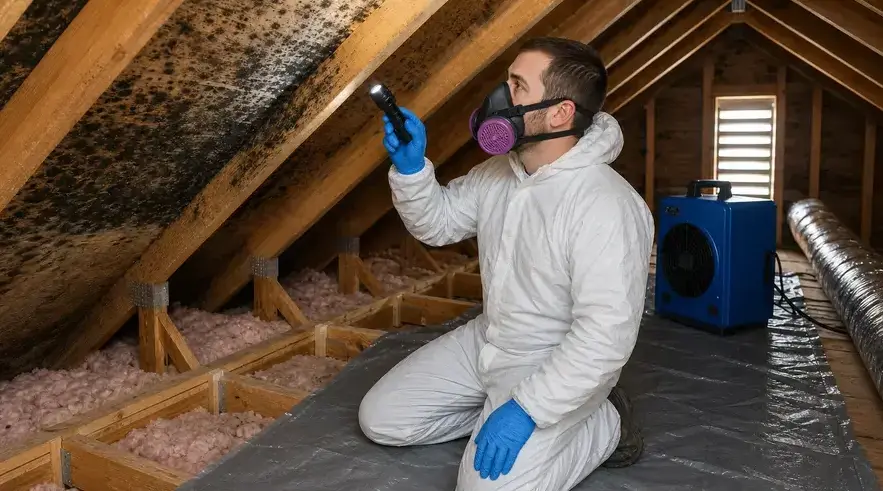
What gets cleaned in an attic, and what comes out
The honest answer to “does this come out, or can it be cleaned?” turns on two things — what the material is, and how many square feet are affected. Those are the two axes of the EPA’s own remediation table, reproduced below for the materials usually found in an attic.
| Material | Under 10 sq ftabout a cabinet door, or one ceiling tile | 10 to 100 sq ftroughly one wall, or a small bathroom | Over 100 sq ftmore than one room's worth of surface |
|---|---|---|---|
| Wood surfacesroof sheathing, rafters and trussesEPA, Table 2 | Wet vacuumDamp wipeHEPA vacuum | Wet vacuumDamp wipeHEPA vacuum | Wet vacuumDamp wipeHEPA vacuumRemove and discard |
| Wallboardthe ceiling drywall below, seen from aboveEPA, Table 2 | HEPA vacuum | HEPA vacuumRemove and discard | HEPA vacuumRemove and discard |
What those methods mean, in EPA's words
- Wet vacuum
Wet vacuums are vacuum cleaners designed to collect water. They can be used to remove water from floors, carpets and hard surfaces where water has accumulated.
EPA, cleanup methods- Damp wipe
Mold can generally be removed from nonporous (hard) surfaces by wiping or scrubbing with water, or water and detergent.
EPA, cleanup methods- HEPA vacuum
HEPA (High-Efficiency Particulate Air) vacuums are recommended for final cleanup of remediation areas after materials have been thoroughly dried and contaminated materials removed.
EPA, cleanup methods- Remove and discard
Building materials and furnishings that are contaminated with mold growth and are not salvageable should be double-bagged using 6-mil polyethylene sheeting.
EPA, cleanup methods
Removed and replaced, whatever the area
- Fiberglass or other insulation — batt or blown insulation across the attic floor.
Fiber glass, or any other insulation material that is wet or visibly moldy (or if an unacceptable odor is present) should be removed and replaced by a qualified heating and cooling system contractor.
EPA, air duct cleaningEPA states this in its heating-and-cooling guidance and it is quoted here as written. Its water-damage table reaches the same conclusion for both fiberglass and cellulose insulation. - Insulated air ducts — insulated HVAC ducts run through the roof space.
If you have insulated air ducts and the insulation gets wet or moldy it cannot be effectively cleaned and should be removed and replaced.
EPA, air duct cleaningThe affected runs are what get replaced — not necessarily the whole system.
These guidelines are for damage caused by clean water. If you know or suspect that the water source is contaminated with sewage, or chemical or biological pollutants, then Personal Protective Equipment and containment are required by OSHA.
EPA, Table 1Porous materials that are wet and have mold growing on them may have to be discarded.
EPA, cleanup methodsMold can grow on wood, drywall, carpet and furniture if they remain wet for more than 24 hours.
EPA, flood cleanup
Attic mold is usually a ventilation fault rather than a leak — most often a bathroom fan discharging into the attic, or soffit vents blocked by insulation. The sheathing and rafters are wood, so they can often be cleaned and kept. The insulation underneath them cannot, and nor can any insulated duct running through the space.
At roughly 13 nights below freezing annually, Livermore's condensation problem runs the other way — cooled surfaces in humid air.Source: NOAA 1991-2020 Climate Normals, LIVERMORE, CA US station (2.6 mi from Livermore)
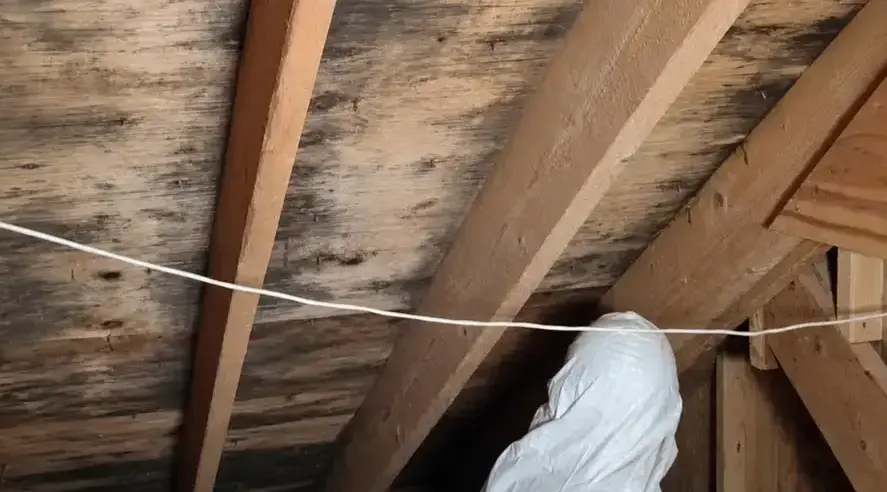
Attic Mold Removal for Livermore Homes
Livermore's Mediterranean climate brings mild winters with sustained moisture, heavy morning dew, and seasonal humidity that can settle throughout a home's structure. Older properties in the area, particularly those with raised foundations and crawl spaces beneath them, face a heightened risk when ventilation is inadequate—moisture accumulates in these gaps and gradually migrates upward into attic spaces, creating the damp conditions where mold thrives. Without proper airflow and moisture management, attic mold can develop silently, compromising both the structural integrity of your home and the quality of the air you breathe indoors.
Munroe Mold Remediation connects Livermore property owners with local mold removal providers who specialize in thorough attic mold assessment and removal. These independent professionals evaluate moisture sources, identify affected materials, and execute safe containment and removal to address the problem at its source—not just the visible growth. Follow-up guidance helps homeowners understand ventilation improvements and moisture control, reducing the likelihood of recurrence. If you suspect attic mold in your Livermore home, reaching out for a professional inspection is the first step toward restoring a healthier indoor environment.
Why Livermore Property Owners Choose Munroe Mold Remediation
Fast Local Attic Mold Removal
Munroe connects you with independent local providers who understand Livermore properties and respond quickly. Get attic mold removal started without delay—fast turnaround means less time exposed to potential indoor air quality issues.
Thorough Attic Mold Removal Process
The independent providers in Munroe's network use a complete approach to attic mold removal: containment, safe removal of affected materials, and thorough drying. Comprehensive treatment helps prevent regrowth and restores confidence in your attic space.
Clear Communication Throughout
Attic mold removal involves multiple steps. Munroe's independent local providers explain findings, options, and progress at each stage, so you understand exactly what's happening above your head and why it matters.
Attic Mold Removal for Year-Round Moisture
Livermore's winter humidity and persistent morning moisture can collect in poorly ventilated attic spaces, creating ideal conditions for mold growth. Munroe connects property owners with local providers who address both the mold and the moisture patterns driving it.
How Our Attic Mold Removal Process Works
Connect with a Local Attic Mold Removal Provider
Tell us about the mold concerns in your Livermore home's attic, and we'll connect you with an independent local provider who specializes in attic mold removal. You'll hear directly from them to schedule an inspection at your convenience.
Get Your Attic Inspected and Diagnosed
The provider will examine your attic to identify mold growth, moisture sources, and ventilation issues—common problems in older Livermore homes where seasonal moisture can accumulate in enclosed attic spaces. They'll explain what they find and discuss removal options with you.
Complete Attic Mold Removal and Moisture Control
The provider will remove affected insulation and materials, treat the attic space, and address ventilation or moisture sources to help prevent regrowth. You'll receive guidance on monitoring your attic's condition going forward.
Dealing with Attic Mold Removal in Livermore? Get fast, professional help.
Call Now — (925) 344-6681Attic Mold Removal Across Livermore
Livermore's Mediterranean climate brings seasonal moisture challenges that extend well into winter months, when sustained humidity and heavy morning dew create conditions favorable for mold growth in areas where air circulation is limited. Attic spaces are particularly vulnerable during these periods because they sit at the top of the home, trapping moisture-laden air and experiencing temperature fluctuations that promote condensation. Homes throughout the area—from established neighborhoods like Downtown Livermore and Springtown to newer developments—face this risk, though older properties with aging roof structures and compromised ventilation tend to show mold colonization more readily when seasonal moisture combines with poor air movement.
Many Livermore homes rest on raised foundations with crawl spaces rather than on slabs, and inadequate crawl space ventilation paired with seasonal moisture gain can drive moisture up through walls and into attic cavities above. This moisture migration makes attic mold removal increasingly common in properties where foundation-level humidity isn't controlled. The independent local providers Munroe Mold Remediation connects you with understand how Livermore's climate patterns and construction styles interact to create attic mold conditions, and can assess whether your property's ventilation and moisture barriers are sufficient or require remediation work.
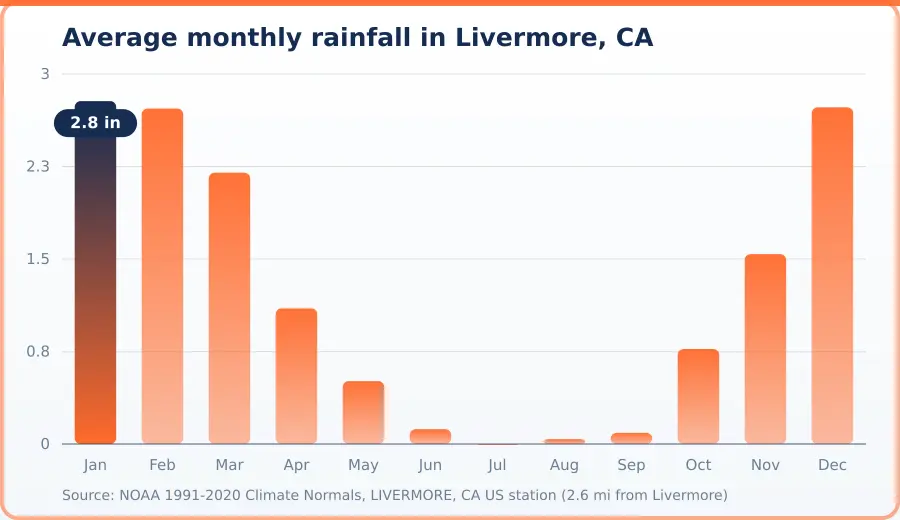
| Period | Monthly rainfall (in) |
|---|---|
| Jan | 2.8 |
| Feb | 2.7 |
| Mar | 2.2 |
| Apr | 1.1 |
| May | 0.5 |
| Jun | 0.1 |
| Jul | 0 |
| Aug | 0 |
| Sep | 0.1 |
| Oct | 0.8 |
| Nov | 1.5 |
| Dec | 2.7 |
Source: NOAA 1991-2020 Climate Normals, LIVERMORE, CA US station (2.6 mi from Livermore). Retrieved October 27, 2026.
Attic Mold Removal Across Livermore's Four Seasons
Spring: Moisture Awakening
Spring rainfall and warming temperatures create ideal conditions for attic mold spores to germinate and spread. Munroe Mold Remediation connects Livermore property owners with local providers who inspect attics for early-stage growth, catching mold before it becomes widespread and affects indoor air quality.
Summer: Heat and Ventilation
Summer heat can drive moisture upward into attic spaces, especially in homes where ventilation has degraded. Local providers help identify whether attic mold is thriving in trapped humidity, then remove affected insulation and restore proper airflow to prevent recurrence through fall.
Fall: Preparation and Decay
As temperatures cool, morning dew and residual moisture linger longer in poorly ventilated attics—a pattern common in older Livermore homes with raised foundations and crawl spaces where moisture often migrates upward into overhead spaces. Munroe Mold Remediation connects owners with providers who remove fall-stage mold and seal moisture pathways before winter intensifies the problem.
Winter: Sustained Removal and Prevention
Winter's cooler, drier air slows active mold growth but doesn't eliminate existing colonies. Providers use this season to safely remove attic mold, replace damaged materials, and verify ventilation improvements—creating a clean foundation for spring without rush conditions.
Attic Mold Removal FAQs — Livermore, CA
Attic mold removal begins with a thorough inspection to identify mold growth, moisture sources, and affected materials. The independent provider will contain the work area, remove contaminated insulation or wood, clean affected surfaces, and address ventilation or moisture problems driving the growth. The goal is safe removal and restoration of healthy indoor air quality in your home.
Munroe Mold Remediation connects Livermore property owners with independent local providers who can typically respond to attic mold concerns promptly. Once you reach out, we'll match you with a nearby provider ready to schedule an inspection and discuss your removal options without unnecessary delay.
Pricing for attic mold removal depends on the extent of mold growth, the amount of insulation or materials needing removal, moisture source complexity, and whether ventilation upgrades are required. The independent provider you're connected with will assess your specific situation and discuss costs based on the scope of work needed.
Before attic mold removal begins, ensure attic access is clear and safe. Inform the provider of any known moisture issues, previous leaks, or ventilation problems. Keep pets and household members away from the work area during removal. The independent provider will handle containment and safety precautions; follow their specific preparation guidance when provided.
After removal, maintain proper attic ventilation to reduce moisture buildup. Inspect and repair roof leaks promptly, ensure gutters drain away from your foundation, and check that soffit and ridge vents aren't blocked. Controlling indoor humidity and addressing any crawl space moisture issues below also helps prevent attic mold recurrence.
Livermore's winter season brings sustained moisture and heavy morning dew that can accumulate in poorly ventilated attics, especially in older homes with raised foundations. These damp conditions allow mold to grow unnoticed. Addressing attic mold removal before or during winter prevents spore spread and protects your home's structure and indoor air quality when moisture risk is highest.
Related Services
Homeowner Safety Toolkit
Verify Your Livermore, CA Mold Remediation Company
Before you hire anyone, use these independent national resources to confirm credentials, standards, and track record.
BBB
Look up any mold remediation company's complaint history, customer reviews, and accreditation status — a free, independent check before you hire.
Check StandingCDC
Covers the health effects of mold exposure and safe cleanup practices, separate from the remediation work itself — useful if anyone in the home has respiratory symptoms.
Mold Health GuideACAC
An independently accredited certifying body for mold inspectors and consultants — one of the few in this field whose standards are verified by an outside accreditation board, not just self-declared.
Find a Certified InspectorDealing with Attic Mold Removal in Livermore, CA? Call (925) 344-6681 for 24/7 help.
Call Now — (925) 344-6681Areas We Serve in Livermore, California
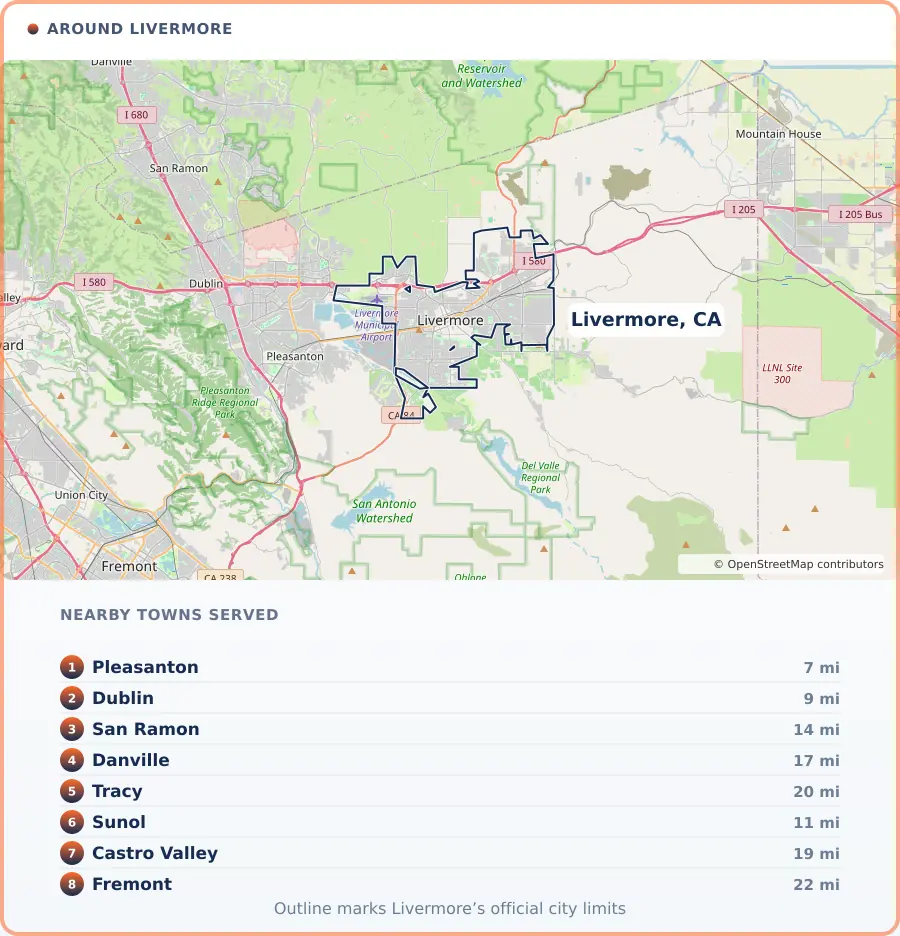
Serving Livermore, CA and 8 communities around it. Local knowledge of how each area is built shapes how the work is handled there.
Livermore, CA Information
Livermore, CA sits at the eastern edge of the Bay Area, a valley town of about 88,000 people where cutting-edge science and old-fashioned agriculture share the same horizon. Lawrence Livermore National Laboratory and Sandia National Laboratories anchor a highly skilled workforce, while the rolling hills of South Livermore and Vineyard Avenue host a thriving wine industry that gives the city its distinct, unhurried charm.
Beyond the labs and vineyards, Livermore's economy runs on a healthy mix of manufacturing, healthcare, education, and retail, with employers like Stanford Health Care - ValleyCare, Las Positas College, and Costco rounding things out. ACE rail and BART access keep it well connected to the wider Bay Area, drawing commuters and homegrown families alike to its easygoing, four-season community life.
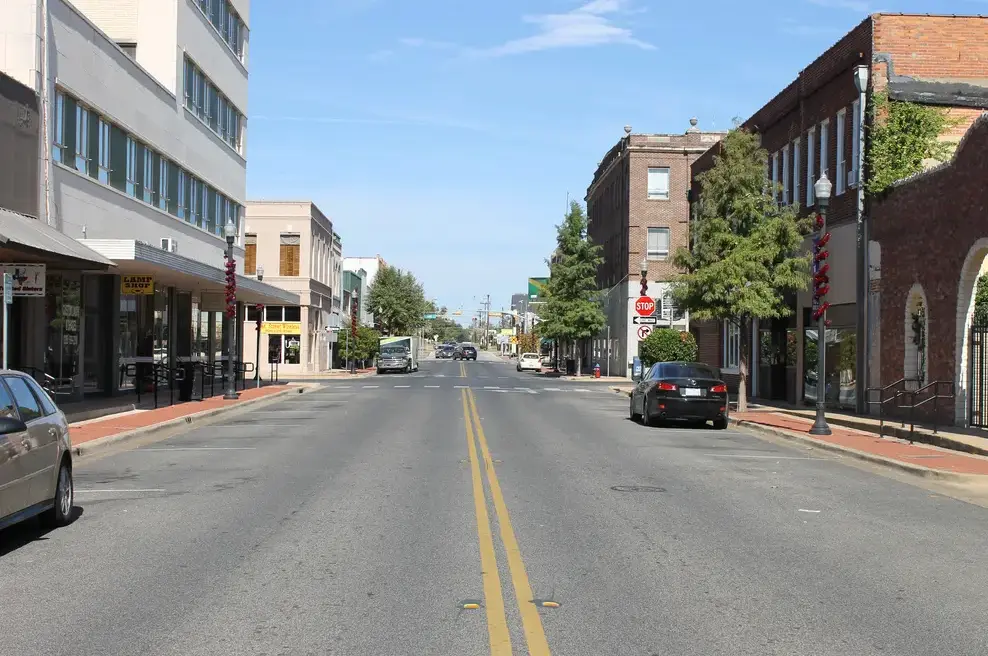
Photo: Billy Hathorn, CC BY-SA 3.0